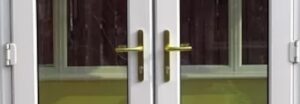
Reliable Door Handle Repair: A Comprehensive Guide
Door handles are a frequently ignored yet vital element of our everyday lives. They serve as the main access point to our homes and are used many times a day, affecting convenience, security, and general functionality. However, like any other hardware, door handles can break, end up being loose, and even break, requiring repairs. This short article will explore reliable door handle repair methods, common issues, tools required, and maintenance tips to guarantee your door handles function correctly for many years to come.
Common Issues with Door Handles
Before diving into the repair procedure, it is vital to acknowledge the common problems that can emerge with door handles. Understanding repairmywindowsanddoors.co.uk will assist property owners resolve them without delay and efficiently. Here are a few frequent door handle problems:
- Loose Handles: Over time, screws can loosen up, leading to handles that wobble or do not work properly.
- Stuck Handles: Door handles may become stuck due to lack of lubrication, dirt build-up, or misalignment in the door.
- Broken Mechanisms: Internal components within the handle can break, rendering the handle inoperative.
- Rust and Corrosion: Especially in outdoor settings, door handles can rust, impacting both performance and visual appeals.
- Secret Issues: For keyed handles, problems might emerge with the lock itself, causing troubles in locking or opening the door.
Tools and Materials Required for Door Handle Repair
Having the right tools on hand is essential for effective repairs. The following list details the normal tools and materials you might require to repair a door handle:
- Screwdriver (Philips and Flathead): These are necessary for eliminating screws and accessing the handle mechanism.
- Adjustable Wrench: Useful for tightening up or loosening up nuts that hold the handle in place.
- Lubricant (Graphite or WD-40): For stuck or squeaky handles, lubrication can resolve numerous issues.
- Replacement Parts: Depending on the issue, you may need screws, a brand-new handle, or internal components particular to your handle model.
- Permeating Oil: Useful for handling rusted or rusted screws that are difficult to remove.
Step-by-Step Guide to Door Handle Repair
Now that you are equipped with understanding about common issues and have your tools ready, let's explore a detailed guide on how to perform door handle repairs effectively.
Action 1: Identify the Problem
Before continuing with any repairs, identify the specific problem with the door handle. Is it loose, stuck, or broken?
Step 2: Gather Your Tools
When the issue is identified, gather all needed tools and products to decrease disruptions throughout the repair.
Step 3: Remove the Door Handle
- Loosen the Handle: Locate the screws on the side or underneath the handle. Utilize the proper screwdriver to remove them carefully.
- Detach the Handle: Carefully pull the handle far from the door. If it does not come off easily, look for any staying screws or fasteners.
Step 4: Inspect the Mechanism
Analyze the internal elements of the handle. Look for:
- Loose Screws: Tighten any screws that might have come loose gradually.
- Broken Parts: Identify any broken or missing parts that need replacing.
- Dirt and Debris: Clean any buildup that might hinder the handle's performance.
Step 5: Make the Necessary Repairs
- Lube Stuck Handles: If the handle is stuck, use lubricant to the moving parts. Carefully work it into the mechanism for smoother operation.
- Replace Broken Parts: If you discover broken internal parts or a broken handle, replace them utilizing the replacement parts you collected earlier.
Action 6: Reassemble the Door Handle
- Fit the Handle Back: Align the handle with its screws and press it back versus the door.
- Screw It Tight: Use your screwdriver to reattach the screws, ensuring they are tightened firmly but not extremely so.
Action 7: Test the Handle
Open and close the door numerous times to guarantee the handle is working correctly. Inspect for any sticking, wobbling, or unusual noises. If everything runs smoothly, you have successfully repaired the door handle.
Preventive Maintenance Tips
To prolong the life-span of door handles and prevent frequent repairs, consider the following maintenance tips:
- Regularly Check for Loose Screws: Schedule periodic checks to make sure screws are tight.
- Oil Moving Parts: Apply lube every few months to keep the mechanism functioning efficiently.
- Tidy Handles Regularly: Use a moist cloth to clean handles, focusing on locations vulnerable to dirt build-up.
- Inspect for Rust: Frequently check for signs of rust and resolve them instantly to avoid further damage.
Frequently Asked Questions about Door Handle Repair
Q1: Can I repair a broken door handle myself?Yes, a lot of door handle repairs can be done with fundamental tools and some DIY knowledge. Nevertheless, if the damage is extensive or involves intricate systems, consider consulting a professional. Q2: How typically must I oil my door handle?It is advisable to
oil door handles every 3-6 months, depending on usage and ecological elements. Q3: Are there specific types of lubricants I must use for door handles?Graphite lubricants are perfect for door locks and
handles, while silicone-based lubricants are effective for other moving parts. Prevent
using oil-based lubricants, which can bring in dirt. Q4: When need to I change my door handle instead of repairing it?If the handle programs substantial wear, has actually broken parts that can not be replaced
, or is not functioning properly after efforts to repair it,
replacement might be the best choice. In conclusion, understanding how to repair a door handle successfully can conserve money and time while boosting home security and functionality.
Equipped with the right tools and knowledge, house owners can with confidence take on common door handle issues, ensuring their doors remain available and operational. Routine maintenance will further extend the life-span of door handles, making it a vital part of home upkeep.